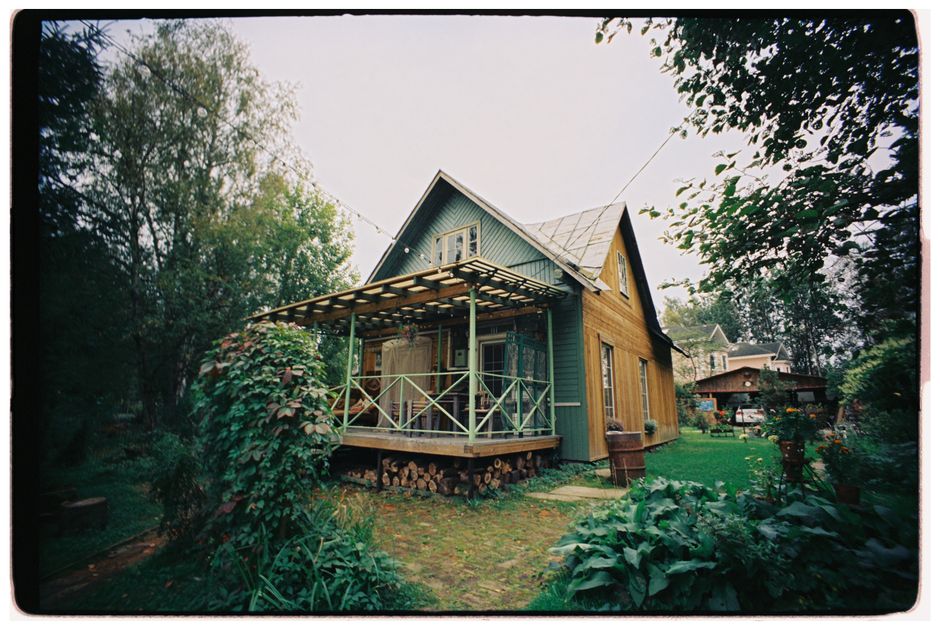
Remote working has made many people reassess where they live, with country cottages becoming increasingly popular for those seeking peace and better quality of life. However, creating a productive home office in a cottage presents unique challenges that differ from working in modern homes.
Choosing Your Office Space
Select a room with good natural light if possible—cottage windows are often small and north-facing, so location matters. A south or west-facing room will be brighter and warmer. Avoid kitchens or living areas where family distractions are inevitable. A spare bedroom, study, or even a converted outbuilding works well. Ensure the space is genuinely separate from your living areas so you can psychologically switch off when work ends.
Managing Connectivity
Reliable broadband is essential for remote working. Check what's available before committing to a cottage—not all rural areas have adequate speeds. Satellite broadband is increasingly reliable but can be expensive. Some properties might need a mobile hotspot as backup. Test connectivity thoroughly during your property search; poor internet significantly impacts work quality and stress levels.
Heating and Comfort
Cottage offices can be cold and damp, affecting productivity and wellbeing. Install adequate heating—a radiator, wood burner, or electric heater ensures comfort during winter. Improve insulation if the room is particularly draughty. Damp can damage equipment, so address any moisture issues. A comfortable temperature and dry environment are non-negotiable for productive working.
Furniture and Equipment Setup
Invest in a proper desk and ergonomic chair—working at a kitchen table or on a sofa causes long-term health problems. Good lighting is crucial; combine natural light with a desk lamp to reduce eye strain. Keep equipment away from windows and external walls where damp might damage electronics. Ensure adequate power sockets; older cottages often have insufficient electrics for modern office equipment.
Minimising Distractions
The countryside offers peace, but also distractions. Establish boundaries with family about your working hours. Use noise-cancelling headphones if needed. Close curtains if garden views tempt you away from work. Create routines that signal work mode—change clothes, take a proper lunch break, and have a definite end time.
Backup Systems
Rural locations mean you're further from IT support. Maintain reliable backups of important work. Consider a mobile hotspot as internet backup. Keep essential supplies and equipment in stock—you can't quickly pop to an office supplies shop. Build resilience into your setup to handle rural living's occasional disruptions.
